
How Can Hotels Reduce Front Desk Workload With AI?
Hotels reduce front desk workload by routing inbound guest questions to an AI assistant that resolves 80–95% automatically — freeing staff to focus on the guests physically in the lobby.
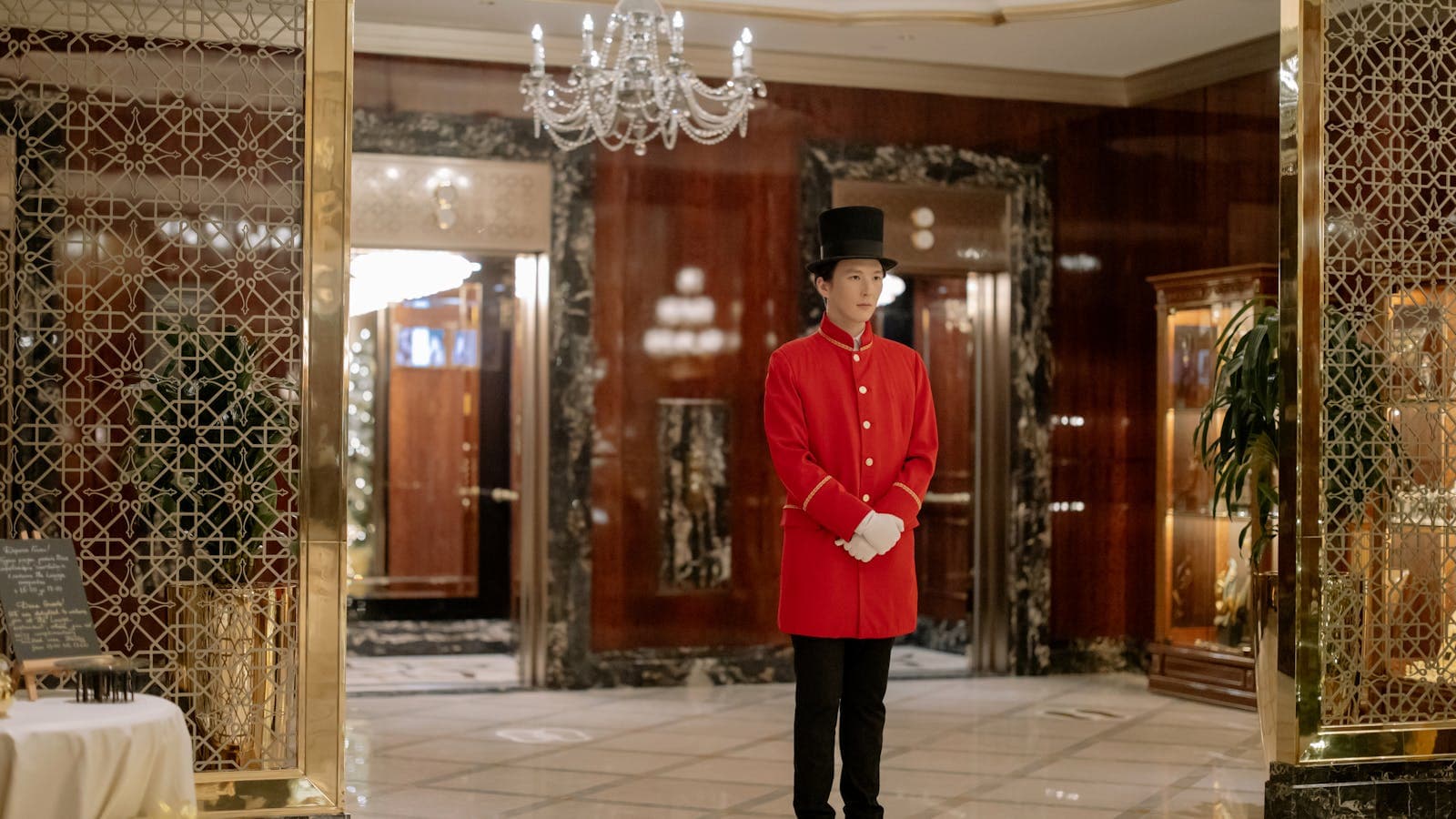

Hotels reduce front desk workload by routing inbound guest questions to an AI assistant that resolves the routine 80–95% automatically. Email drafts appear inside Outlook, chat replies fire in seconds across WhatsApp and web, and the front desk team only sees what genuinely needs a human. The result: more attention on the guest standing in front of them, less time spent typing.
Where the time actually goes
Most front desk teams aren't overwhelmed by complex problems — they're overwhelmed by volume. A two-minute email becomes a ten-minute email because they're interrupted four times while writing it. A simple late-check-out request becomes a 15-minute phone call because of routing and hold times. AI doesn't replace the staff; it removes the interruptions.
What the AI can take off your plate
The repetitive, answerable-from-the-PMS work: availability requests, rate quotes, late check-out approvals, breakfast hours, pet policy, directions, parking, Wi-Fi, room amenities, modifications, pre-arrival information, post-stay follow-ups. Anything where the answer is already in your systems and the staff are just retrieving and re-typing it.
What stays human
Complex bookings, complaints, VIP touch-points, anything emotionally charged, anything that benefits from a real conversation. The AI's job is to escalate cleanly with full conversation context attached so the human picks up without losing time.
Operational benefits beyond time saved
Consistency: every guest gets the same quality of reply regardless of which staff member is on shift. Coverage: 24/7 answers in 100+ languages without overnight staffing. Quality: the answers are grounded in live PMS data, so they're more accurate than what a tired team member might recall from memory.